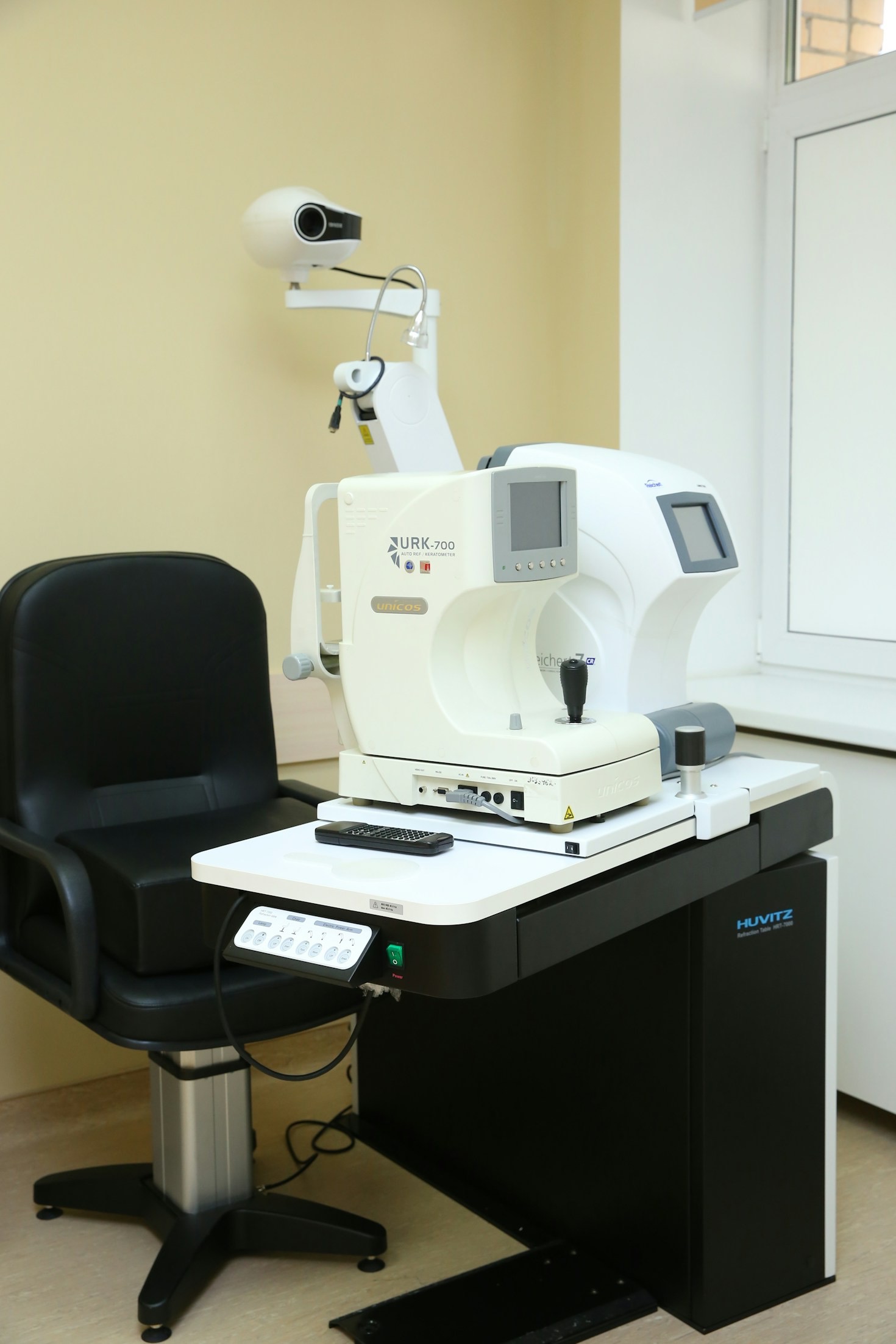
Selecting the right OCT training is essential for anyone seeking to strengthen their diagnostic capabilities and stay current with rapidly advancing imaging technologies. Whether you are an OCT operator striving to improve your examination technique, a physician looking to deepen your clinical interpretation skills, or a specialist pursuing advanced expertise, understanding the differences between available course levels is critical. In this overview, we explore how structured OCT education can enhance accuracy, efficiency, and clinical confidence, and we outline the key factors that help you determine which training pathway best supports your professional development.
Sometimes the simplest moments carry the deepest wisdom. Let your thoughts settle, and clarity will come to you. In OCT training, this principle is especially true: the more calmly and carefully we observe, the more precisely we understand what the images reveal. Mastering OCT is not only about technology—it is about developing the ability to see subtle patterns, refine your judgment, and gain confidence through focused learning. By embracing moments of clarity, every practitioner, from operator to specialist, can elevate their skills and deliver more accurate, meaningful patient care.
As OCT technology becomes increasingly central to modern ophthalmic diagnostics, structured learning plays a decisive role in elevating both accuracy and clinical confidence. Operators often discover that small refinements in image acquisition—such as optimizing scan alignment or identifying motion artifacts—directly influence the quality of diagnostic information. Physicians, on the other hand, benefit from developing a systematic approach to OCT interpretation, enabling them to distinguish normal anatomical variations from early signs of pathology. Advanced learners frequently draw on case-based training, where nuanced findings such as subtle intraretinal changes, early RPE disturbances, or atypical macular profiles reveal the true depth of OCT’s diagnostic potential. Expert consensus consistently shows that targeted education accelerates proficiency and reduces misinterpretation, underscoring the value of comprehensive training pathways for all levels of practice. Through progressive learning, from foundational techniques to advanced analytical frameworks, practitioners can transform OCT from a technical task into a powerful clinical asset.
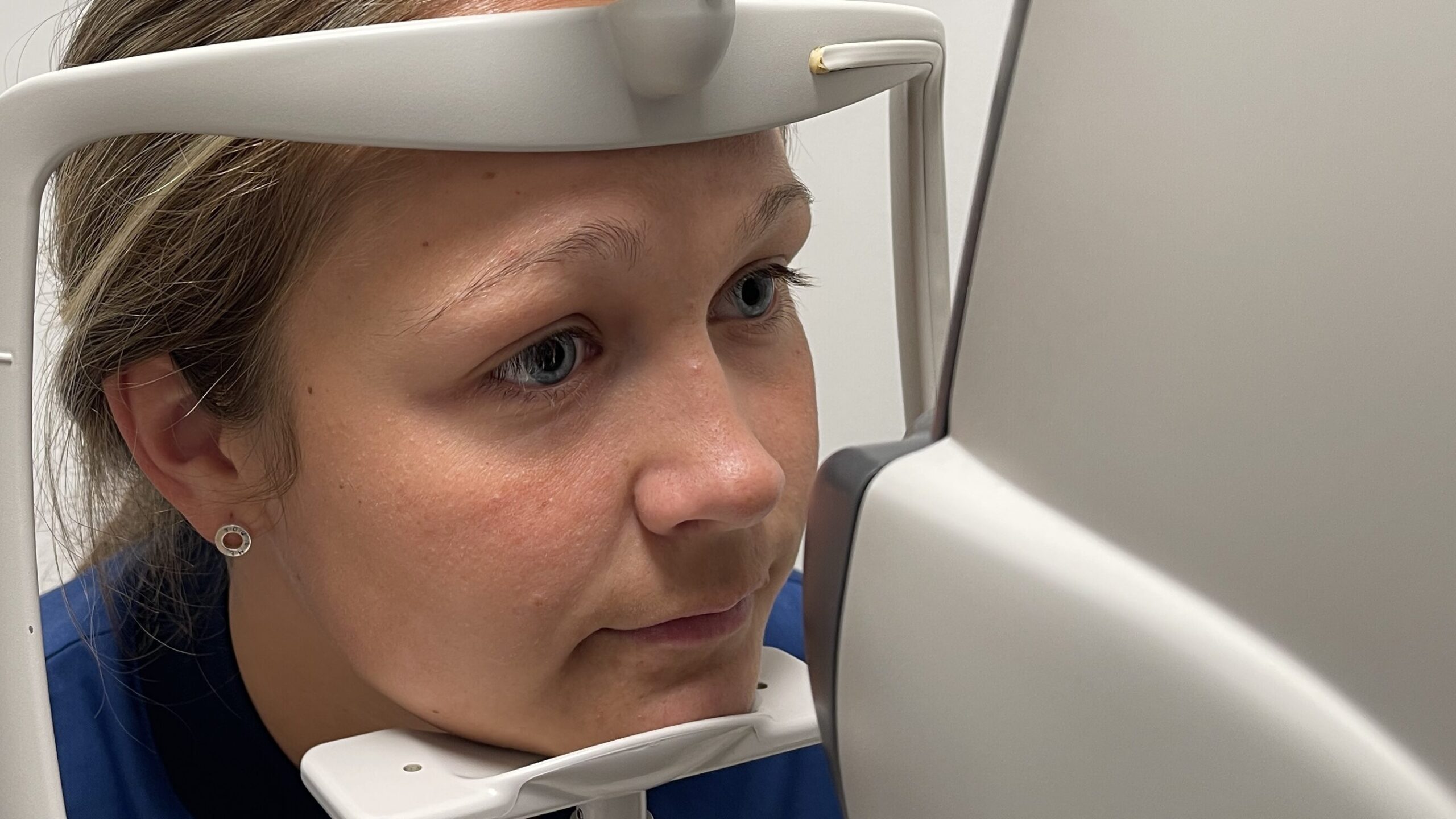
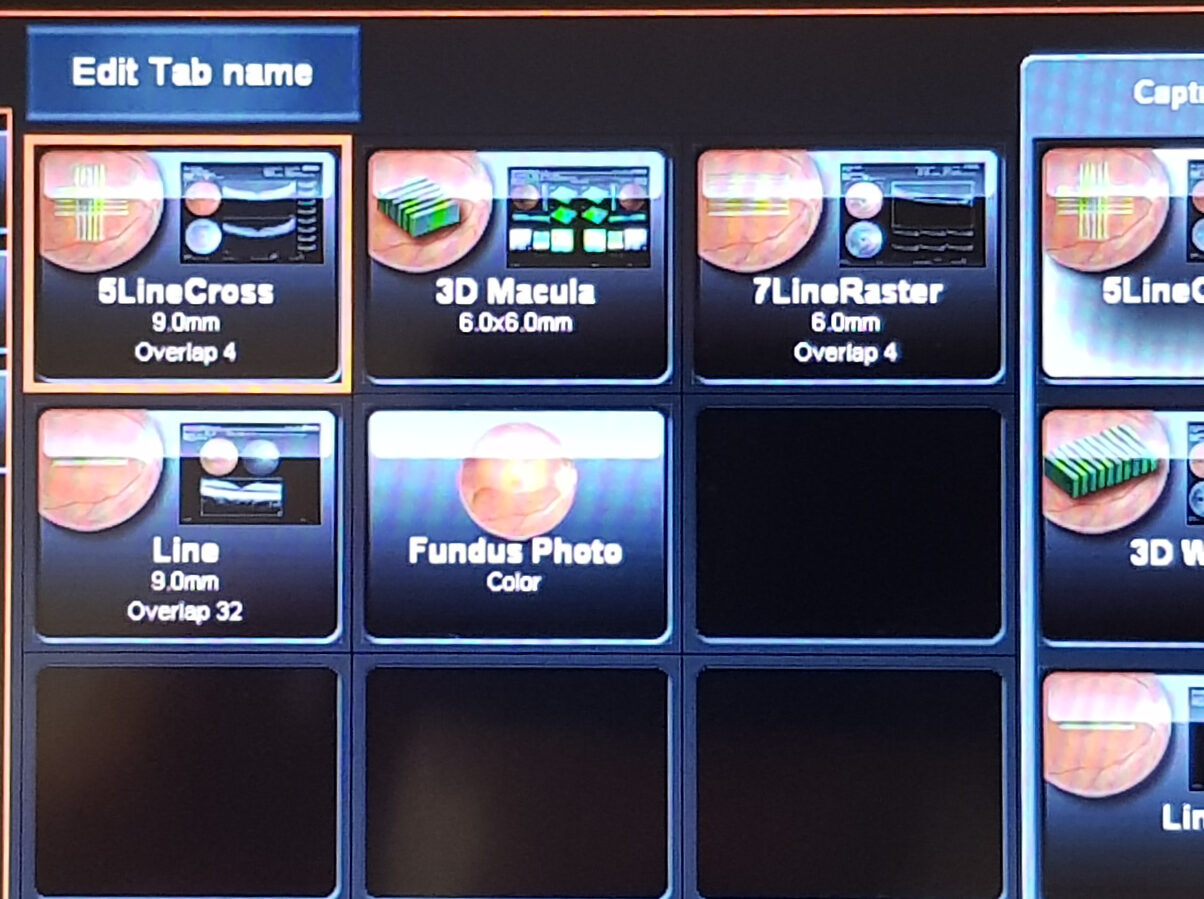
At this stage, it becomes clear that effective OCT training is not merely about mastering isolated techniques but about understanding how each component of the examination and analysis process fits together. Many practitioners wonder whether structured courses truly make a measurable difference, especially for those who already use OCT in daily practice. In reality, the learning curve can vary significantly: operators often benefit from guided instruction on optimizing scan acquisition, while analyzers and clinicians require deeper insights into tissue morphology, pathological patterns, and diagnostic reasoning. By offering separate courses tailored to these distinct roles, we ensure that each participant receives targeted, relevant training rather than a one-size-fits-all curriculum. This approach not only enhances individual competence but also improves workflow consistency across clinical teams. As we transition toward more advanced considerations, the value of specialized OCT education becomes increasingly evident—laying the groundwork for the concluding reflections on choosing the right course pathway.
Ultimately, choosing the right OCT education pathway is about recognizing the value of structured learning in building confidence, precision, and clinical excellence. Whether improving image acquisition as an operator or advancing diagnostic interpretation as a clinician, each level of training contributes to more accurate assessments and better patient outcomes. By selecting a course that matches your current expertise and professional goals, you invest in skills that strengthen both individual performance and overall care quality. Thoughtful, targeted OCT education is not only a step toward mastery—it is a commitment to continual growth in an increasingly technology-driven field
Leave a Reply